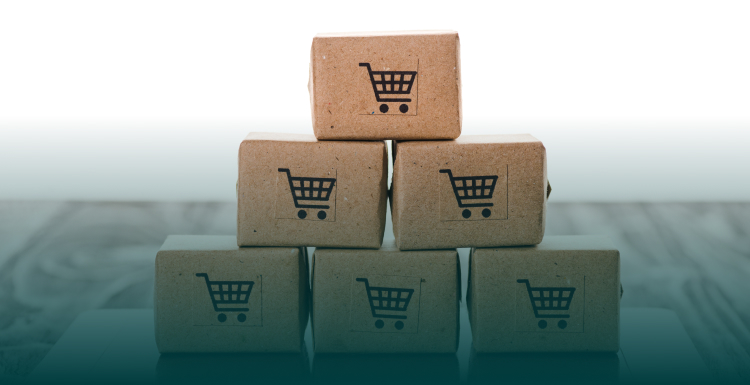




Stabilizing and Scaling Spobik
Turning a slow e-commerce site into a fast, secure revenue-generating platform
Key Results:
- 6x faster load time (600 ms → 38 ms)
- Updates for 500,000+ items in ~10 min
- Largest Contentful Paint: 0.24 seconds
Transformation programs stall because the plan is written by one team and executed by another. Forbytes plans and builds in the same engagement: process automation, system integrations, cloud moves, and the analytics layer your teams work from.
| Digital Transformation Benefit | Business Impact |
|---|---|
| Automated business processes | Routine work runs without manual handling |
| Connected core systems | ERP, CRM, PoS, and e-commerce share the same data |
| Modernized legacy platform | Changes ship in weeks instead of release cycles |
| Cloud infrastructure | Capacity scales with demand, and you pay for what you use |
| Analytics and reporting layer | Decisions run on current numbers, not last month's export |
| Trained internal team | Your people run the new systems without external support |
Turning a slow e-commerce site into a fast, secure revenue-generating platform
Key Results:

Modernizing the legacy system to improve performance and efficiency
Key Results:

Adding new features to the portal to meet property managers and owners needs
Key Results:

Rebuilding architecture and accelerating feature delivery for the mobile app
Key Results:

Integrating WMSs, a payment solution, and the Microsoft Dynamics NAV ERP
Key Results:
Process & Systems AssessmentMapping how work actually flows today, which systems hold the data, and where the manual steps sit.
|
#2
|
Architecture & Integration DesignDesigning the target architecture, the data flows, and the sequence systems get connected in.
|
#4
|
Rollout & Team EnablementLaunching in stages, training the people who use the systems daily, and fixing issues that surface after each rollout.
|
#6
|
|
#1
|
Project RoadmapPrioritizing changes by business impact, cost, and how much disruption each one causes.
|
#3
|
Build & AutomationDeveloping integrations and platform changes in releases your teams can absorb.
|
#5
|
Measurement & IterationTracking the metrics agreed at the start and adjusting the roadmap on real usage data.
|

Our digital transformation covers six areas: business process automation, system and ERP integration, cloud migration and infrastructure, data analytics and reporting, customer experience platforms, and security hardening across the new setup. A program starts with a process and systems assessment and delivers in stages, so each release replaces a specific piece of manual work rather than waiting for one large launch.
IT consulting ends with a decision: an audit, a documented roadmap, and costed priorities you can hand to any team. Digital transformation is the execution of that plan, where Forbytes builds the automations, integrations, and platform changes and rolls them out with your people. Many clients start with consulting and continue into transformation. Both work as standalone engagements.
Usually not, and replacing everything at once is the most expensive way to transform. In most projects the existing ERP, PoS, or e-commerce platform stays and gets connected properly, with automation layered on top. Full replacement makes sense when the platform is unsupported, when licensing costs exceed the rebuild, or when the vendor blocks the integrations your business needs. We say which case applies after the assessment.
Changes go out in staged releases against a defined rollback point. Integrations run in parallel with existing processes until the data matches on both sides. Teams get trained before their workflow changes, not after. The sequence in the roadmap is built around your low season and your peak load, and this is one of the first things we ask about.
We agree the metrics before development starts, and they are operational, not abstract: hours of manual work removed, order processing time, error rates, reporting lag, system uptime under peak load. Those numbers get baselined during the assessment, so the comparison after each release is against your real starting point.




Forbytes created an app that allowed users to quickly measure themselves to be fitted for custom shirts. As a result, we could increase our speed, quality, and shirt output per week. Forbytes was dedicated to delivering a solution that accurately addressed our needs.
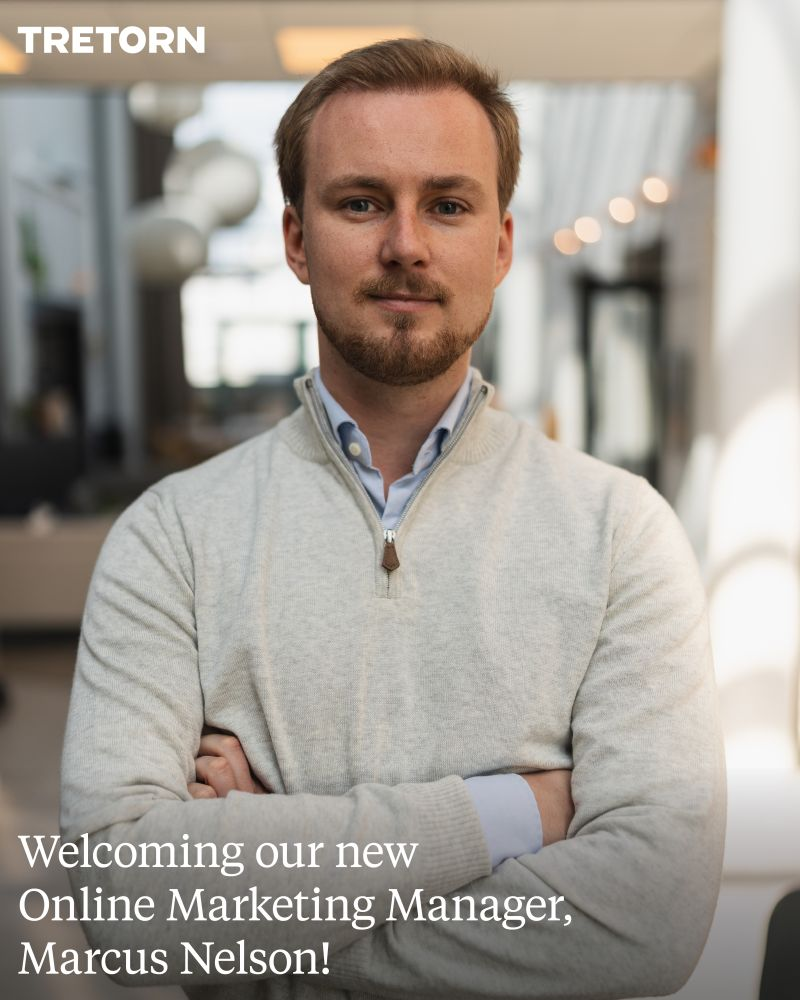
Forbytes’ engineers and team leads worked as part of our RnD group and were directly managed by our company directors. They were both proactive and adaptable, qualities that perfectly match our needs in our fast-growing and constantly evolving environment.
Forbytes has a strong process-oriented way of leading the company, with good respect for themselves and their managers. They made a choice not to become too big but build slowly on more qualified people, which is paying off.

COO & Business
Development at Offerta.se

Our e-commerce site saw online inquiries and orders rise after working with Forbytes. The team used top-notch expertise to inform their suggestions and improvements. Constant communication, quick responses, and prompt delivery made for a smooth and enjoyable collaboration.

The Forbytes team was very professional and demonstrated a great understanding of the business aspects. All tasks were completed above expectations. Their experts were always available, and we never needed to wait for a response or a suggested solution.